

A wall-hung basin or vanity feels loosened generally due to inappropriate installation and damaged hardware. Typical concerns include making use of wrong anchors, falling short to protect the container to equally spaced studs, or ignoring silicone caulk. Gradually, aging products may damage, and ecological aspects can worsen instability. Additionally, inadequate checks for loose placing equipment can result in further issues. Explore these aspects to guarantee your container stays safe and secure and steady for many years to come.

Takeaways
- Inappropriate anchors not ranked for the basin's weight can lead to instability and activity.
- Inaccurate setup on uneven studs compromises weight distribution, making the container feel loosened.
- Weakened or loose brackets can decrease support with time, triggering an unsteady appearance.
- Lack of normal upkeep checks can permit undetected issues to rise, affecting security.
- Water damage indications, like spots or soft substratums, can show damaged wall support for the basin.
Typical Sources Of Shaky Containers and Vanities
When you discover that your wall-hung basin or vanity feels loose, it can typically be mapped back to a few typical issues. One main reason is inappropriate supports. If the anchors utilized to secure the basin to the wall surface aren't rated for the weight or installed properly, they can fall short, bring about instability. Another factor might be loose braces. These brackets are made to sustain the basin's weight, and if they aren't tightened appropriately or have actually weakened in time, they won't hold the container securely. Regularly checking both the anchors and braces can help maintain security. Attending to these problems promptly assures your basin or vanity continues to be strongly in place, stopping further damages or crashes.
Top Installment Blunders Causing a Shaky Basin
While improper installment techniques might seem small, they can significantly add to a shaky container. One typical mistake is making use of improper anchors; if they're not rated for the weight of the container, it will not continue to be secure. Furthermore, stopping working to secure the basin to uniformly spaced studs can cause instability. If you install your container on irregular studs, the weight circulation will certainly be endangered, causing it to wobble. Another error is not examining for level; a container that's not level can change gradually, intensifying the problem. Finally, disregarding to utilize silicone caulk around the edges can enable activity. Resolving these mistakes can ensure your wall-hung basin remains safe and secure and useful.
Exactly How Aging Effects Basin Stability
As your wall-hung basin ages, its security can be compromised as a result of numerous elements. These issues frequently come from deterioration, which can result in considerable worries:
- Material tiredness: In time, the installing equipment may compromise, influencing assistance.
- End up degradation: Use on the surface can welcome moisture, bring about wear and tear.
- Deterioration: Steel elements might rust or corrode, deteriorating connections.
- Environmental factors: Moisture and temperature fluctuations can influence materials and adhesives.
- Incorrect maintenance: Lack of normal checks can result in undetected concerns rising.
Addressing these aspects without delay can avoid further instability and make particular your container remains firmly mounted. Normal evaluations and maintenance are vital to lengthening its life expectancy and functionality.
The Function of Wall Surface Framework in Fixture Security
The stability of a wall-hung basin greatly counts on the underlying wall surface framework, which have to offer appropriate assistance for the fixture. If you're mounting a basin, ensuring it's anchored to bearing walls is essential. These wall surfaces are designed to deal with significant weight, dispersing the tons efficiently.
Moreover, the stud spacing within the wall also plays a vital role. Conventional stud spacing is usually 16 inches on facility, however variations can occur. When mounting your basin, you need to make certain that your supports are secured directly into these studs, as this supplies the very best support. Insufficient anchoring or incorrect stud spacing can cause a loose component, endangering both performance and safety and security. Always inspect these aspects prior to setup.
Identifying Loose Mounting Equipment
When evaluating the security of your wall-hung container, one of the primary steps is to check for loose placing equipment. You'll wish to recognize certain problems that could compromise its integrity:
- Loose anchors: Make certain all supports are secure in the wall surface.
- Stripped screws: Check if screws are turning without tightening up; replace if needed.
- Rusty installations: Examine for any type of indications of corrosion or wear.
- Misaligned brackets: Validate that brackets are appropriately straightened and not bent.
- Over-tightened bolts: Confirm screws aren't over-torqued, which can compromise the framework.
Dealing with these facets will assist you reclaim confidence in your basin's stability, protecting against possible damages or accidents.
Signs of Water Damages Affecting Stability
Loosened mounting hardware isn't the only problem for a wall-hung container; water damages can materially affect its stability too. One of the very first signs to search for is water spots around the basin's base or on the wall. These stains indicate prolonged wetness exposure, which might deteriorate the supporting structure. If you discover any type of soft substrate behind or underneath the basin, that's a critical warning. Soft places can suggest rot or deterioration, jeopardizing the honesty of the wall surface. Additionally, check for any kind of uncommon odors, which might symbolize mold and mildew development. Addressing these concerns quickly can prevent additional damage and ensure your basin stays firmly placed. get a quote Always focus on a complete assessment if you presume water-related issues.
Do It Yourself Setup Checks for Security
Check your wall-hung container's installation to ensure it continues to be secure and secure. Performing DIY installment checks can aid you recognize concerns prior to they end up being serious. Here are some vital steps to follow:
- Leveling Checks: Use a level to guarantee your basin is flawlessly straight.
- Brace Reinforcement: Evaluate brackets for any kind of indications of wear or loosening; tighten or replace if required.
- Wall Stability: Check the wall condition behind the container; seek splits or damages.
- Placing Screws: Confirm that all placing screws are tight and in great problem.
- Weight Circulation: Confirm weight is equally distributed to avoid strain on the braces.
Regular checks can maintain your container's security and extend its life-span.
Exactly How to Obtain Specialist Help for Your Shaky Container?
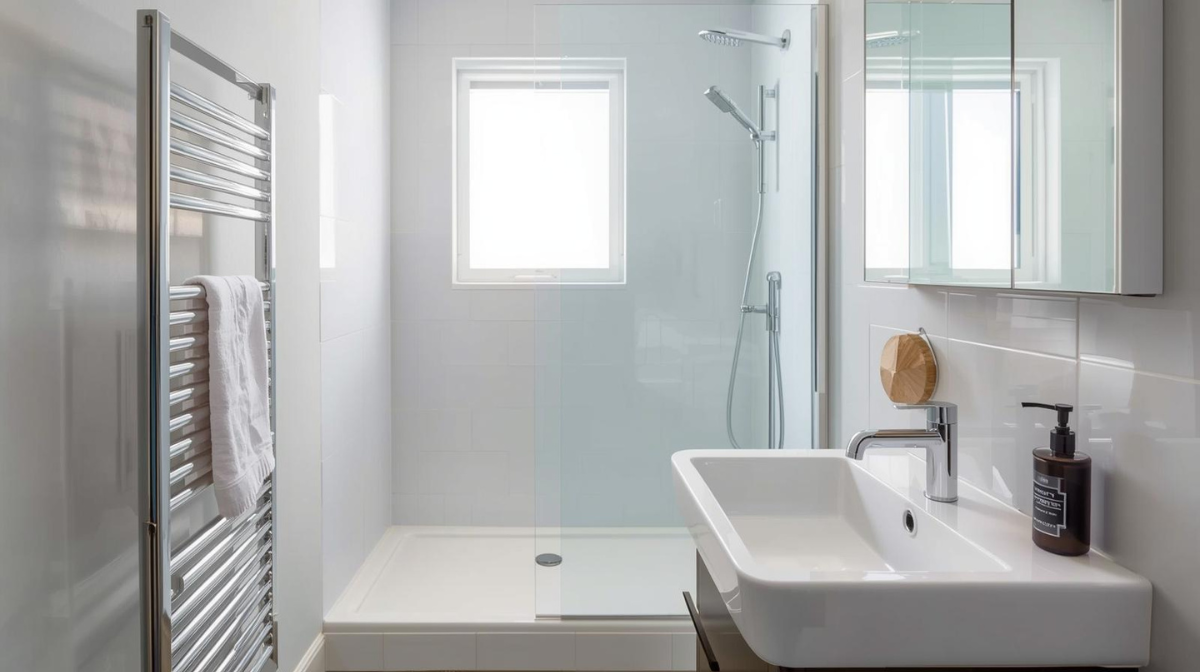
If you've conducted your do it yourself installation checks and still notice instability in your wall-hung basin, seeking expert help might be the best alternative. Start by getting to out to licensed plumbings or professional professionals experienced in wall-mounted components. They'll examine the installation and identify underlying concerns, such as poor wall support or incorrect anchoring.
Before working with, confirm their credentials and read testimonials to ensure quality solution. It's likewise sensible to demand price quotes and ask about warranties for any repair services. A specialist will not only stabilize your container yet can additionally offer recommendations for future maintenance, ensuring long-lasting safety and security. Don't hesitate to buy professional help; it can conserve you time and prevent more damages in the future.
Regularly Asked Concerns
Can a Wall-Hung Container Support Heavy Items Securely?
Consider a wall-hung container as a tightrope pedestrian, balancing thoroughly on a slim line. While lots of can support moderate weight, they have certain weight limitations that you shouldn't go beyond. It's crucial to take into account tons distribution; placing heavy things erratically can cause instability. If you're preparing to use it for hefty things, make sure it's correctly mounted and reinforced to safely take care of the weight without jeopardizing its integrity.
What Tools Do I Need for Tightening Up a Loose Vanity?
To tighten up a loosened vanity, you'll need an flexible wrench and a torque screwdriver. First, utilize the flexible wrench to safeguard any loosened plumbing connections or braces. Then, employ the torque screwdriver to tighten screws to the producer's specifications, guaranteeing you do not over-tighten and threat damage. See to it to examine all placing points for security and readjust as required, guaranteeing your vanity is secure and functional after the modifications.
How Frequently Should I Inspect My Basin's Stability?
You ought to examine your container's security a minimum of when a month, with a detailed seasonal audit every three months. As an example, if you disregard regular inspections, you could find your container tottering unexpectedly, bring about possible damage or leakages. Regular monthly assessments assist you catch small problems early, while seasonal audits permit a full assessment, guaranteeing your setup remains secure and useful throughout the year. Uniformity is essential to preserving stability.
Are Wall-Hung Basins Suitable for All Wall Kind?
Wall-hung containers aren't appropriate for all wall types. You'll require ideal substrates, like strong stonework or enhanced drywall, to assure stability. If your wall surface isn't solid sufficient, it could result in issues. It's crucial to use appropriate taking care of approaches, such as heavy-duty braces and supports, tailored to your wall's material. Constantly look for architectural honesty prior to installment to avoid problems down the line. Appropriate preparation guarantees a safe and secure and practical arrangement.
What Is the Ordinary Life Expectancy of a Wall-Hung Vanity?
The typical life expectancy of a wall-hung vanity is generally about 10 to 15 years, depending on the materials made use of and maintenance. High-quality vanities made from long lasting products can last much longer, while those with lower-quality components might put on out faster. Regular upkeep, such as looking for water damages and ensuring proper installment, can improve their longevity. So, it's important to choose sensibly and take care of your vanity to maximize its longevity.